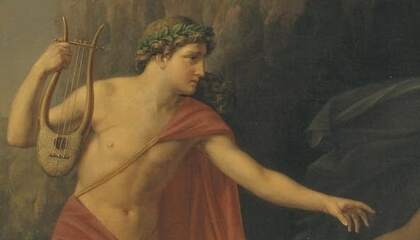
Understanding Scriabin’s Philosophy
Alexander Scriabin’s philosophy explained through creativity, struggle, and ecstasy. An in-depth exploration of his ideas, sources, and musical realization.
Read
Alexander Scriabin’s philosophy explained through creativity, struggle, and ecstasy. An in-depth exploration of his ideas, sources, and musical realization.
Read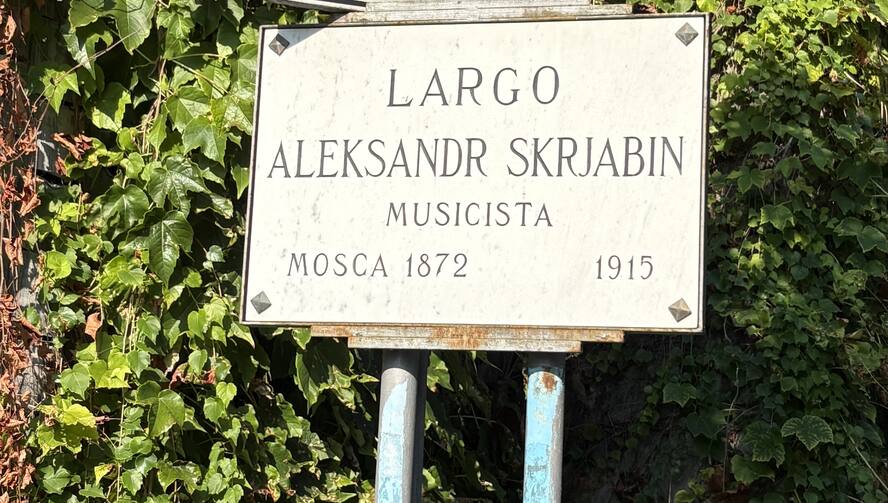
Discover Alexander Scriabin’s 1905 stay in Bogliasco, Italy - tracing the exact location where he composed The Poem of Ecstasy. Explore rare photos, historical details, and proposals to revive Scriabin-related cultural activities in the region.
Read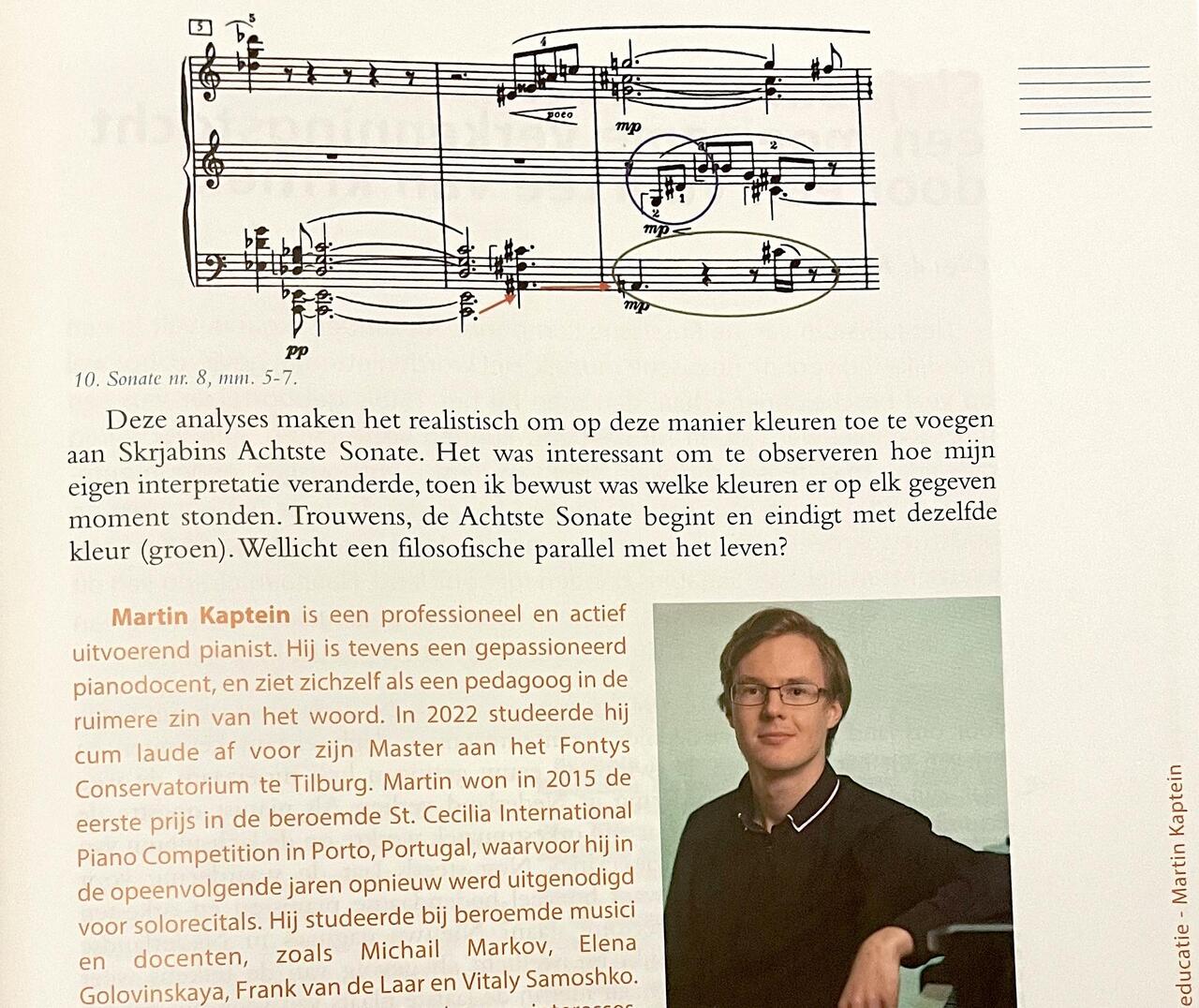
Announcing the article of Martin Kaptein in the renowned Dutch Journal 'Piano Bulletin', which is part of the EPTA. This article deals with the synaesthesia of Alexander Scriabin and its pratical applications.
Read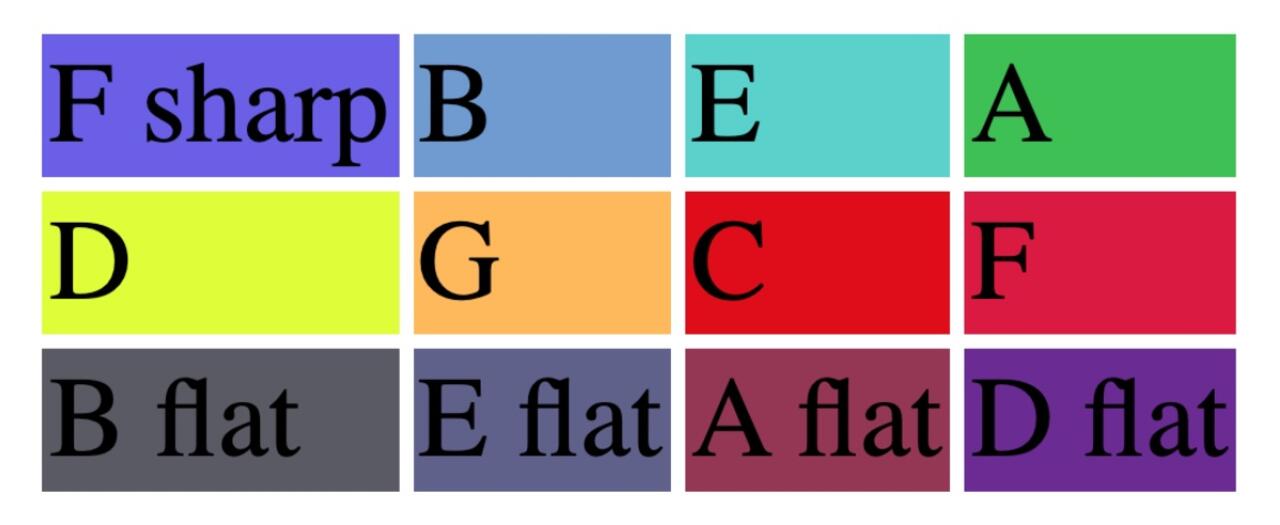
Presenting Martin Kaptein's master thesis on Scriabin's synaesthesia. How to connect color and harmony in the music and how to apply colors to Scriabin's Piano Sonata No.8.
Read
Thesis and research about the relation between color and harmony in the music of Alexander Scriabin. This includes its practical applications in the field of performance practice as well as music education.
Read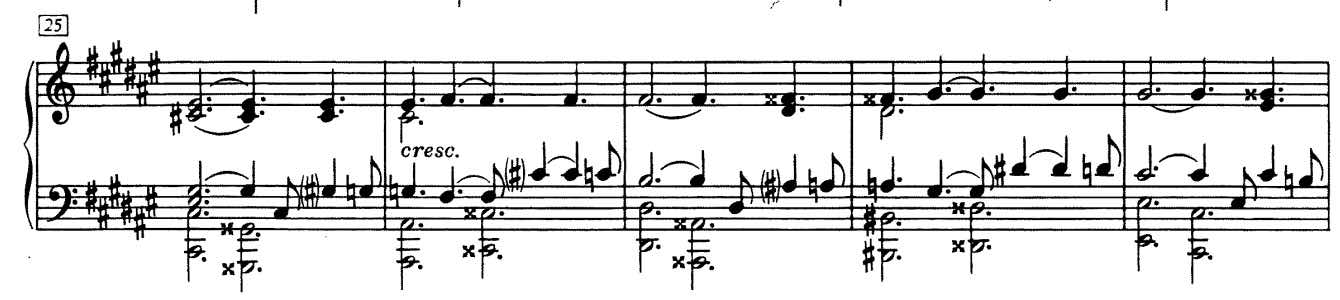
The life and three artistic periods of the famous Russian composer Alexander Scriabin. Analysis of a piece from each period, outlining Scriabin’s shift towards atonality.
Read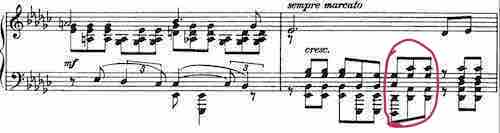
This is my analysis of the amazing Etude-Tableaux Op.39 No.5 by Sergei Rachmaninoff. The Etude-Tableaux op 39 no 5 is a very challenging piece, both technically, musically and emotionally. Also, out of all etudes tableaux, op.39 no.5 is the, perhaps, most harmonically elaborate piece, featuring complex harmonic movement.
Read